
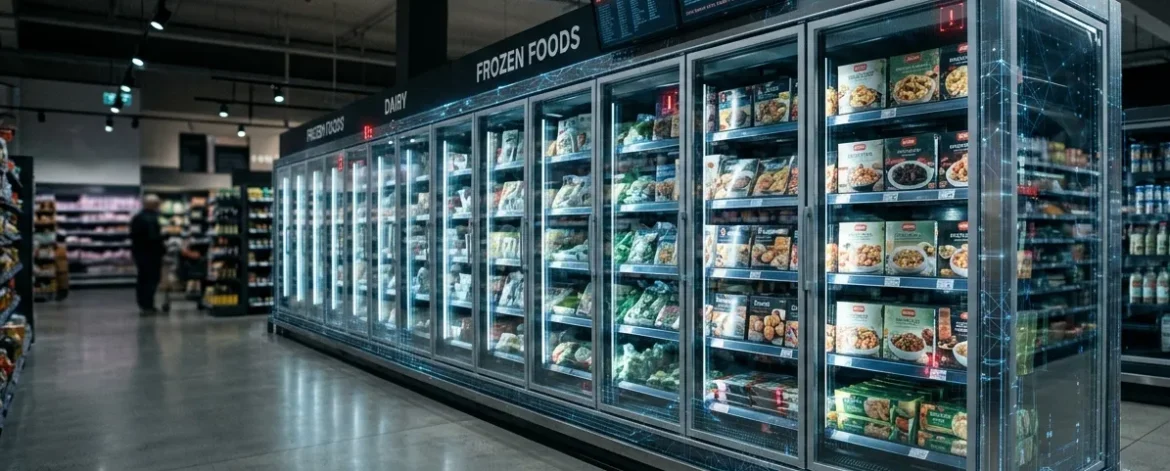
A refrigerator might seem like an unlikely target for cybercriminals. However, a recent cyberattack across Europe has demonstrated how connected everyday equipment can become a serious cybersecurity risk.
On November 2, 2026, supermarkets across several European countries reported cyberattacks targeting their refrigeration and freezer systems. The attacks reportedly caused temperatures to rise remotely, forcing retailers to discard food and deal with operational disruption.
What Happened?
According to Reuters, supermarket groups including ICA, Coop, Carrefour, Colruyt and IKEA reported incidents affecting refrigeration systems across Europe. In some locations, freezer temperatures reportedly reached as high as 50°C. Several stores were forced to discard large quantities of food.
The incidents followed a similar attack in France during October, raising concerns about the security of connected commercial refrigeration systems. Investigations are ongoing, and the identity of the attackers has not been confirmed.
How Can a Refrigerator Be Hacked?
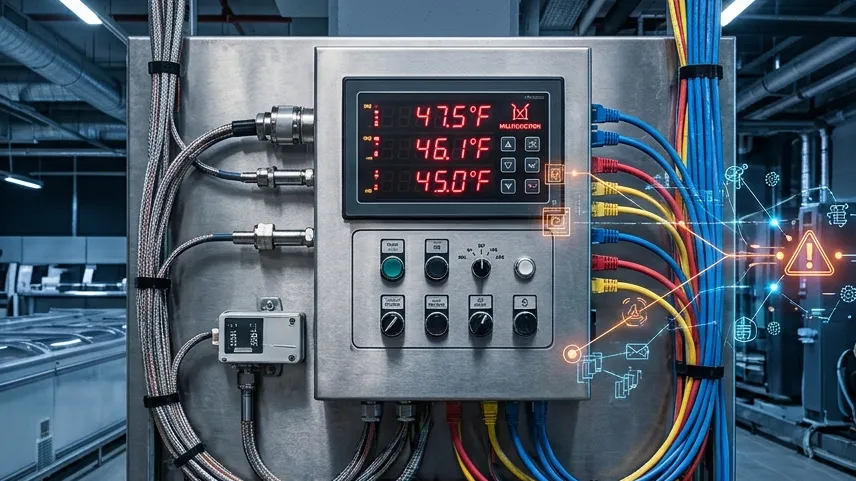
Modern commercial refrigerators are no longer purely mechanical devices. Many use Internet of Things (IoT) technology to monitor temperatures, manage cooling operations and allow remote access. These systems depend on software, network connections and digital control panels, much like the connected applications and systems businesses use every day.
If these systems are exposed to the internet without adequate protection, attackers may find opportunities to access or manipulate them. Outdated software, weak access controls and software vulnerabilities can increase the risk.
This incident demonstrates that cybersecurity threats are not limited to computers, websites or smartphones. Any connected device can potentially become an entry point for an attack.
What Can Businesses Learn From This?
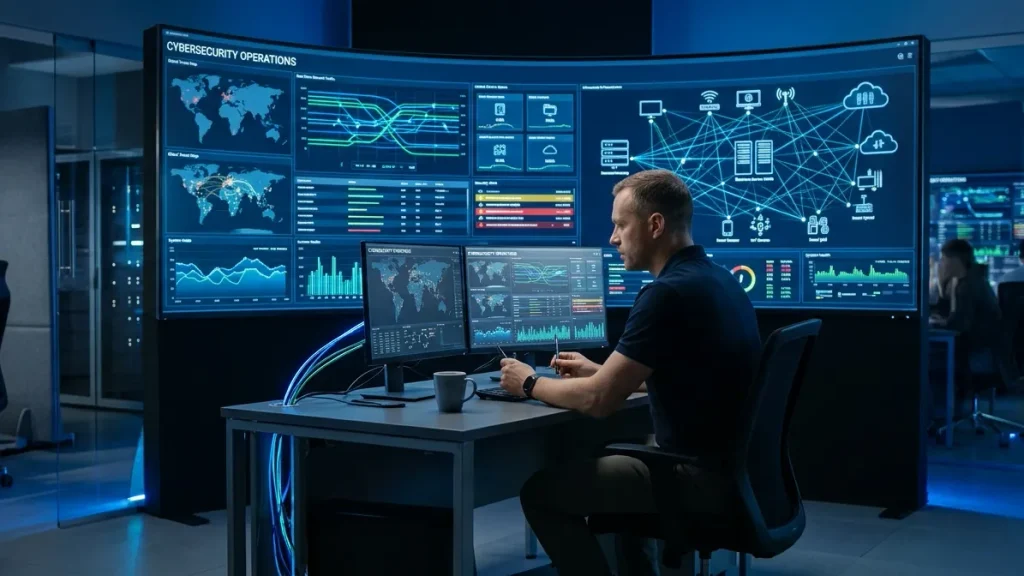
The incident highlights the importance of securing operational technology (OT) and IoT infrastructure alongside traditional IT systems.
Businesses should consider:
- Regular Security Updates: Keep connected devices and control software updated.
- Secure Remote Access: Use strong authentication and restrict unnecessary external access.
- Network Segmentation: Separate operational equipment from regular business networks.
- Continuous Monitoring: Identify unusual activity and unauthorised access attempts.
- Security Assessments: Regularly evaluate systems to identify weaknesses before attackers exploit them.
Businesses must also prioritise data security and governance while protecting their connected infrastructure. As seen in other incidents involving compromised devices and security risks, a single weak point can expose larger digital environments.
Cybersecurity Is No Longer Just an IT Concern

The European supermarket incidents are a reminder that a vulnerability in one connected device can affect physical operations, business continuity and customer confidence. As businesses increasingly depend on intelligent business systems and connected technologies, protecting digital infrastructure must become a priority. Organisations should also focus on securing connected business systems against unauthorised access and potential attacks.
At Xchange Data Technologies (XDT), we recognise the importance of building secure digital environments. Through our cybersecurity services, businesses can strengthen their security posture, identify vulnerabilities and take proactive steps towards protecting their systems.
Because in today’s connected world, even a refrigerator can become a cybersecurity target.