
Introduction
Businesses often use multiple applications to manage customers, payments, inventory, reporting, and daily operations. However, when these systems operate independently, employees may need to transfer information manually, increasing the risk of errors and delays.
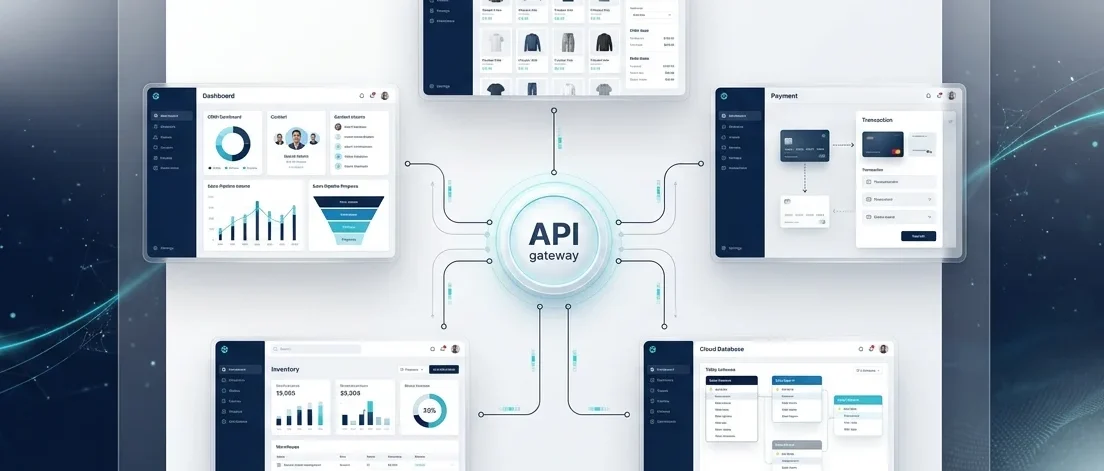
API integration helps different software applications communicate and exchange data automatically. It enables businesses to connect their existing tools, streamline workflows, and create more connected digital experiences.
For companies exploring IT services from XDT, understanding API integration is an important step toward building efficient, scalable business systems.
What Is API Integration?
An Application Programming Interface (API) is a set of rules that allows software applications to communicate with one another. API integration connects these interfaces so that different systems can exchange information or trigger actions when required.
For example, an e-commerce website might connect to a payment gateway, shipping platform, and inventory management system. When a customer places an order, these applications can exchange relevant information without requiring employees to update every system manually.
You can learn more about the underlying concept through Wikipedia’s explanation of Application Programming Interfaces.
Businesses investing in custom software development can use integrations to connect applications with their existing workflows rather than replacing every tool they already use.
How Does API Integration Work?
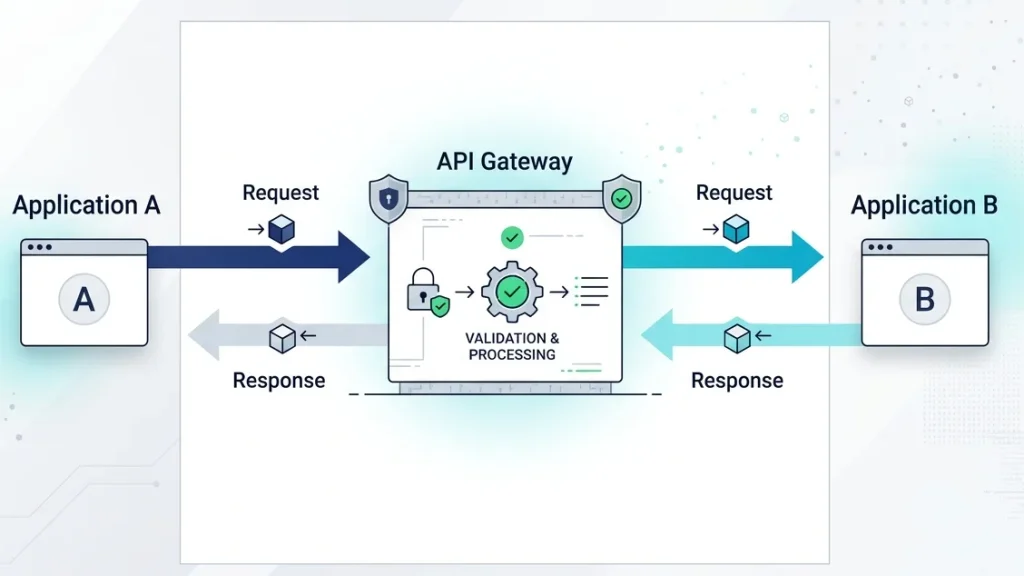
API integration generally follows a straightforward process:
- Request: One application requests specific information or an action from another system.
- Processing: The receiving application checks the request and processes it according to its rules.
- Response: The application returns the requested information or confirms the result.
- Action: The requesting application uses the response to complete its workflow.
For instance, a mobile application may request product availability from a business database before displaying the latest information to a customer.
Technologies such as web services, Representational State Transfer (REST), and JSON are commonly associated with web-based integrations.
The exact implementation depends on the systems involved, the data being exchanged, and the security requirements.
Common Types of API Integration
Different integration approaches serve different business needs.
- REST APIs: Commonly used for communication between web applications, mobile applications, and backend systems.
- SOAP APIs: A protocol-based approach often found in enterprise environments that use structured messaging.
- Webhook integrations: Allow one system to notify another when a particular event occurs, such as a payment confirmation.
- Third-party API integrations: Connect applications with external services such as payment gateways, mapping tools, communication platforms, or analytics systems.
The appropriate approach depends on compatibility, performance, security, and the business workflow.
Companies exploring mobile application development may use APIs to connect their apps with databases, notifications, payment services, and other platforms.
Key Benefits of API Integration for Businesses
1. Reduced Manual Work
Integrations automate repetitive activities such as transferring customer details, updating records, and synchronizing orders. This allows employees to spend more time on tasks that require decision-making.
Businesses interested in business automation can use connected applications to simplify recurring workflows.
2. Better Data Consistency
When systems exchange information automatically, businesses can reduce duplicate entries and discrepancies between records. Proper validation and synchronization are still essential to maintain data accuracy.
3. Improved Customer Experience
Connected systems help businesses provide faster updates, smoother transactions, and more consistent service.
For example, XDT’s smart scooter dashboard project demonstrates how mobile technology can communicate with connected devices. Its connected scooter case study also illustrates how applications, devices, and cloud infrastructure can work together.
4. Greater Flexibility and Scalability
API integration allows businesses to add capabilities without rebuilding every existing application. This can support future expansion, provided that the underlying systems and integration architecture are designed appropriately.
A well-planned integration strategy can also complement digital transformation initiatives and broader software development services.
Real-World Applications of API Integration
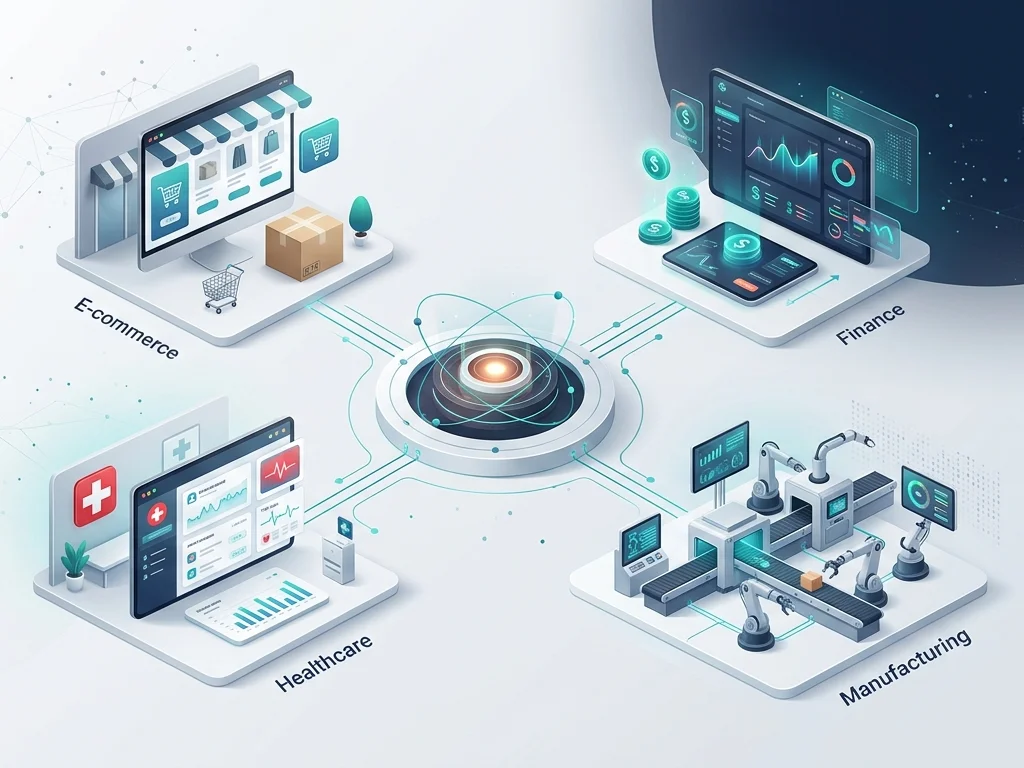
API integration supports numerous business functions:
- E-commerce: Connect product catalogues, payment gateways, inventory, and shipping systems.
- Finance: Exchange transaction information between accounting applications and payment platforms.
- Healthcare: Connect compatible applications for authorized information exchange, subject to applicable privacy and security requirements.
- Manufacturing: Synchronize production information, inventory, and operational reporting.
- Customer management: Connect customer relationship management systems with sales, email, and support tools.
XDT’s e-commerce development case study and manufacturing digital transformation case study provide additional context on how connected digital solutions can support business operations.
Integrations can also support desktop applications, specialized industry software, and offshore development initiatives where multiple systems and teams need to coordinate.
API Integration Challenges and Security Considerations
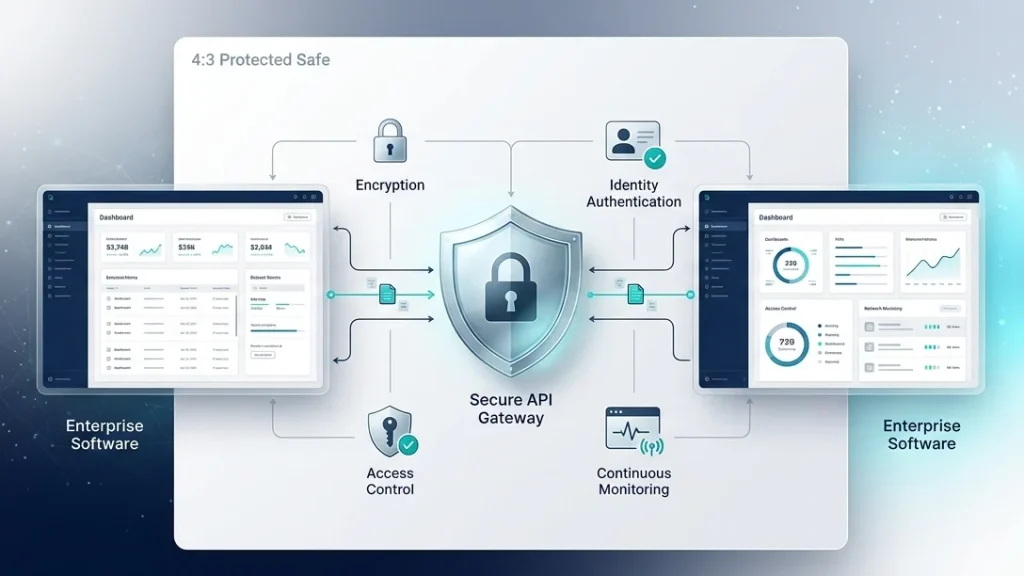
Although API integration offers several advantages, businesses must plan for potential challenges.
Security: APIs should use appropriate authentication, authorization, encryption, and access controls. HTTPS helps protect data while it travels between systems. Learn more about HTTPS.
Compatibility: Different applications may use different data formats, authentication methods, and communication protocols.
Reliability: Network failures, service interruptions, or API changes can disrupt connected workflows. Monitoring, error handling, and retry mechanisms help manage these risks.
Maintenance: Integrations require ongoing testing, documentation, version management, and updates as connected applications evolve.
Businesses should establish clear security policies and follow relevant standards and regulations. Microsoft’s REST API Guidelines offer additional technical guidance for designing consistent APIs.
How to Get Started with API Integration
Before implementing an integration, businesses should:
- Identify the applications and workflows that need to communicate.
- Define the information to exchange and the expected business outcomes.
- Evaluate available APIs, compatibility, and access requirements.
- Plan authentication, permissions, error handling, and monitoring.
- Test the integration thoroughly before deployment.
- Review performance and maintain the integration as business needs change.
For complex environments, working with an experienced technology team can help businesses select an appropriate architecture and avoid unnecessary complexity.
Conclusion
API integration helps businesses connect applications, automate workflows, improve information exchange, and support scalable digital operations. Its success depends on selecting suitable technologies, protecting sensitive data, and maintaining reliable connections between systems.
Whether you are connecting existing business software or developing a new digital platform, a well-planned integration strategy can help your technology work more effectively together.
Explore XDT’s IT services to learn about its software development and integration capabilities. For project-specific requirements, contact XDT to discuss a suitable approach for your business.