

Introduction
Why Manufacturers Struggle with Efficiency Today
In today’s competitive manufacturing landscape, efficiency and cost control are critical for success. However, many manufacturers still rely on manual processes, disconnected systems, and outdated tracking methods leading to high material wastage and operational inefficiencies.
The Growing Importance of Digital Transformation in Manufacturing
“Digital transformation in manufacturing is helping companies reduce waste, improve efficiency, and stay competitive in today’s market.”
This case study highlights how Xchange Data Technologies (XDT) helped a manufacturing client embrace digital transformation, resulting in a 33% reduction in material waste and significant improvements in operational visibility.
Client Challenges in Digital Transformation in Manufacturing
The client, a mid-sized manufacturing company, was facing several operational bottlenecks that were directly impacting productivity and profitability:
- Lack of real-time visibility across production processes
- Inefficient inventory tracking leading to overstocking and shortages
- High material wastage due to poor monitoring
- Delays in decision-making caused by fragmented data
- Manual record-keeping increasing chances of human error
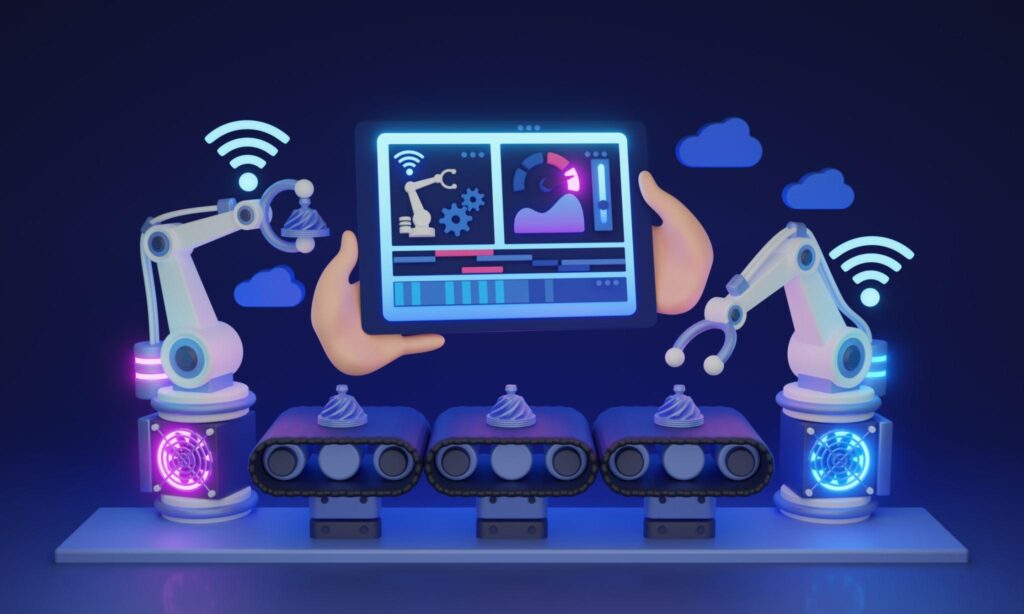
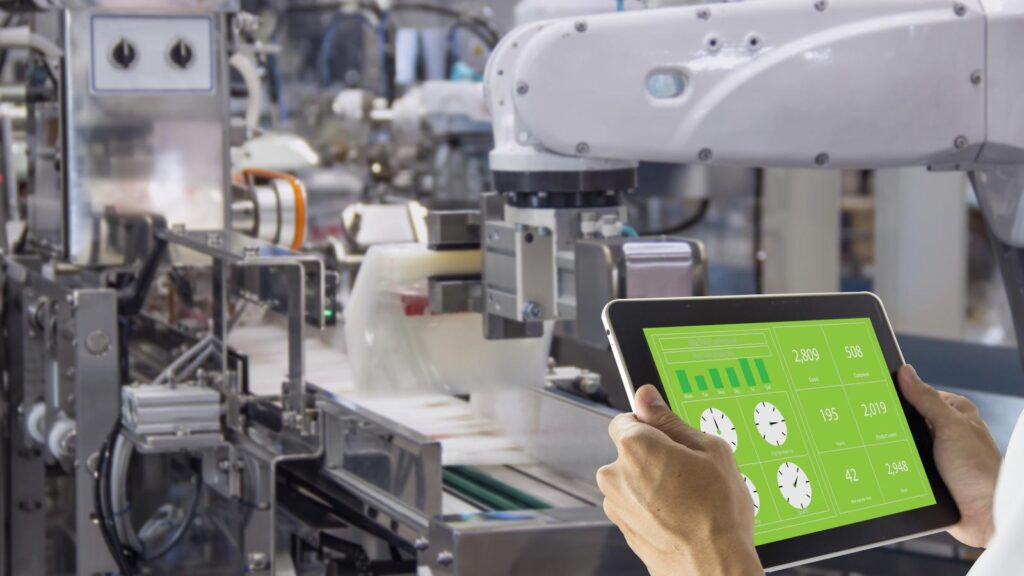
Digital Transformation Solution for Manufacturing
To address these issues, XDT implemented a comprehensive smart manufacturing solution tailored to the client’s needs.
Key Implementations:
- Real-Time Production Monitoring
Integrated systems to track production activities live across the shop floor. - Smart Inventory Management System
Automated inventory tracking to ensure accurate stock levels and reduce excess material usage. - Centralized Dashboard
A unified dashboard that provided actionable insights for management and operations teams. - Process Automation
Reduced dependency on manual workflows by automating repetitive and error-prone tasks. - Data-Driven Decision Support
Enabled faster and smarter decision-making through real-time analytics and reporting. Additionally, the system improved inventory accuracy.
Technologies Used
To build a scalable and efficient solution, XDT leveraged modern technologies:
- IoT-enabled monitoring systems
- Cloud-based data storage and dashboards
- ERP system integration
- Advanced data analytics tool
This technology stack ensured seamless communication between systems and improved overall operational efficiency. Additionally, these technologies enabled seamless integration across systems and improved operational visibility.
The implementation of digital transformation solutions delivered measurable and impactful results:
Results Achieved
- The implementation of digital transformation solutions delivered measurable and impactful results. 33% reduction in material waste
- As a result, production delays were minimized.
- Moreover, decision-making became faster and more reliable.
- Faster decision-making with real-time insights.
- Therefore, operational efficiency increased significantly.
These improvements not only optimized current operations but also positioned the client for future scalability.
Conclusion
Digital transformation is no longer optional for manufacturers it is essential for staying competitive. By integrating smart systems, real-time monitoring, and automation, businesses can significantly improve efficiency and reduce waste.
This case study demonstrates how the right technology partner can drive meaningful change and deliver measurable results.
Looking to Transform Your Manufacturing Operations?
If you’re facing similar challenges in your manufacturing processes, Xchange Data Technologies (XDT) can help you implement scalable, efficient, and future-ready solutions.
👉 “Looking to reduce operational waste and improve manufacturing efficiency?
Partner with XDT to implement smart digital transformation solutions tailored to your business.”
Frequently Asked Questions
1. What is digital transformation in manufacturing?
Digital transformation in manufacturing involves using technologies like IoT, automation, and data analytics to improve production efficiency.
2. How does automation reduce manufacturing waste?
Automation minimizes human errors, improves tracking, and optimizes resource usage.
3. What are the benefits of smart manufacturing?
It improves efficiency, reduces costs, and enables real-time decision-making.