E-commerce has changed how consumers discover, compare, and purchase products. But as digital commerce continues to mature, the expectations surrounding online shopping are also changing.
Consumers are increasingly interested in not only what they buy, but also how products are made, what materials are used, and what social or environmental impact their purchases may have.
For ethical and sustainable brands, this creates an important opportunity—and a significant technology challenge.
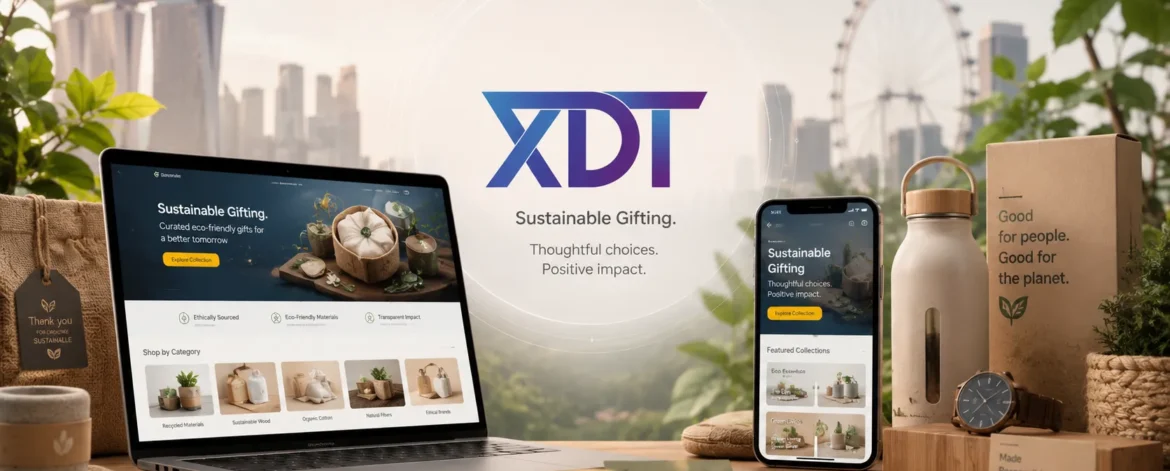
A Singapore-based gifting platform company focused on eco-friendly and sustainable products wanted to address this challenge by creating a more transparent digital shopping experience. Its product portfolio centered on items made using recycled materials and natural fibers, creating a strong foundation for a marketplace designed around more responsible consumption.
The broader objective also aligns with UN Sustainable Development Goal 12, which focuses on responsible consumption and production and includes targets related to sustainable resource use.
The challenge was to turn that vision into a scalable e-commerce platform capable of connecting consumers with verified ethical brands while helping smaller businesses reach a wider audience.
The resulting solution demonstrates how thoughtfully designed e-commerce technology can go beyond transactions to create greater visibility, trust, and accessibility across a sustainable product ecosystem.
The Business Context: Making Sustainable Gifting More Accessible
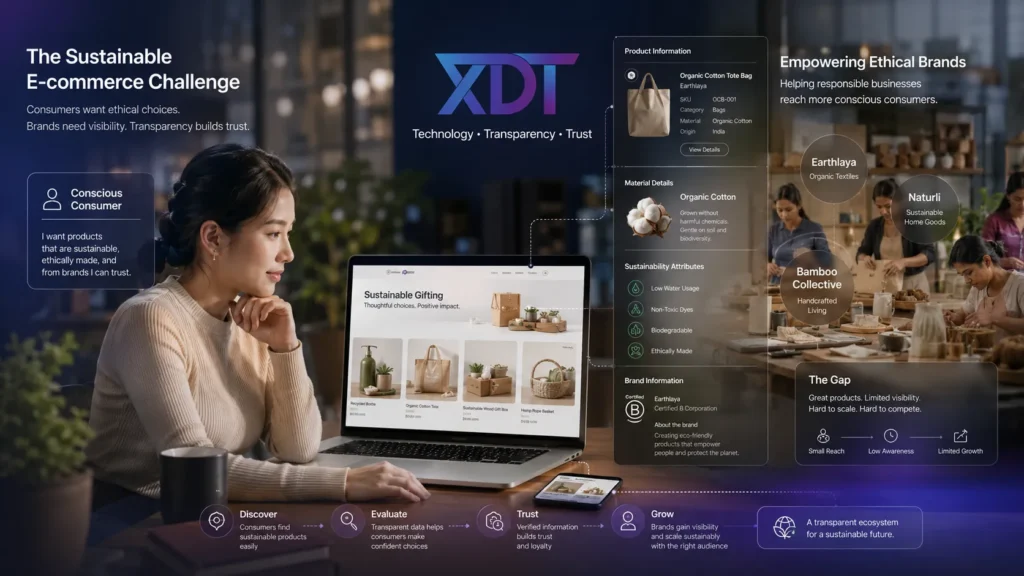
The gifting industry presents a unique opportunity for sustainable commerce.
Consumers purchase gifts for personal occasions, corporate events, celebrations, and seasonal moments. These purchases can introduce people to products and brands they may not otherwise discover.
However, discovering genuinely sustainable products is not always straightforward.
A product may be marketed as environmentally friendly, ethical, recycled, natural, or sustainable, but consumers still need meaningful information to understand what those descriptions actually represent.
This makes transparency an important part of the digital shopping experience.
UNEP highlights the importance of accessible, reliable, relevant, clear, transparent, and verifiable sustainability information when helping consumers make more informed choices.
For a sustainable gifting marketplace, therefore, the objective is not simply to display products online.
The platform needs to help consumers understand the value and impact behind those products while creating a credible digital environment for the brands selling them.
The Solution: A Scalable and Transparent E-Commerce Platform
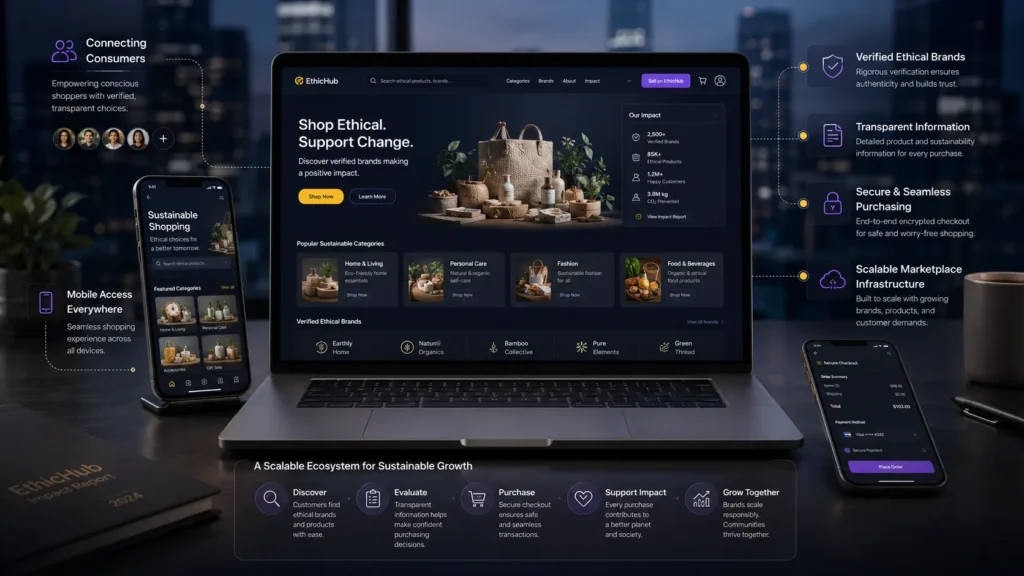
The solution centered on building a scalable and transparent e-commerce platform designed to connect consumers with verified ethical brands.
Rather than treating sustainability as a separate marketing layer, the platform concept places transparency closer to the core of the shopping experience.
The objective is simple:
Make responsible products easier to discover, understand, and purchase while helping ethical businesses expand their reach.
The solution can be viewed through three important capabilities.
Making Product Impact More Visible
One of the most important principles behind the platform is information visibility. For sustainable products, a description such as “eco-friendly” may not be enough.
Consumers increasingly benefit from more specific information about a product’s materials, sourcing, production characteristics, certifications where applicable, and other relevant sustainability attributes.
The goal is not to overwhelm shoppers with technical information. Instead, the platform should translate complex product information into clear, understandable digital experiences.
This is particularly important because sustainability information can be difficult for consumers to compare when different products use different terminology, standards, and claims.
UNEP’s consumer-information work specifically emphasizes the value of reliable and verifiable product sustainability information, including tools such as ecolabels, standards, environmental declarations, and other forms of product information.
For a digital marketplace, this creates an opportunity to make sustainability information more accessible at the point where consumers are actually making purchasing decisions.
Key Technology Considerations for a Platform Like This
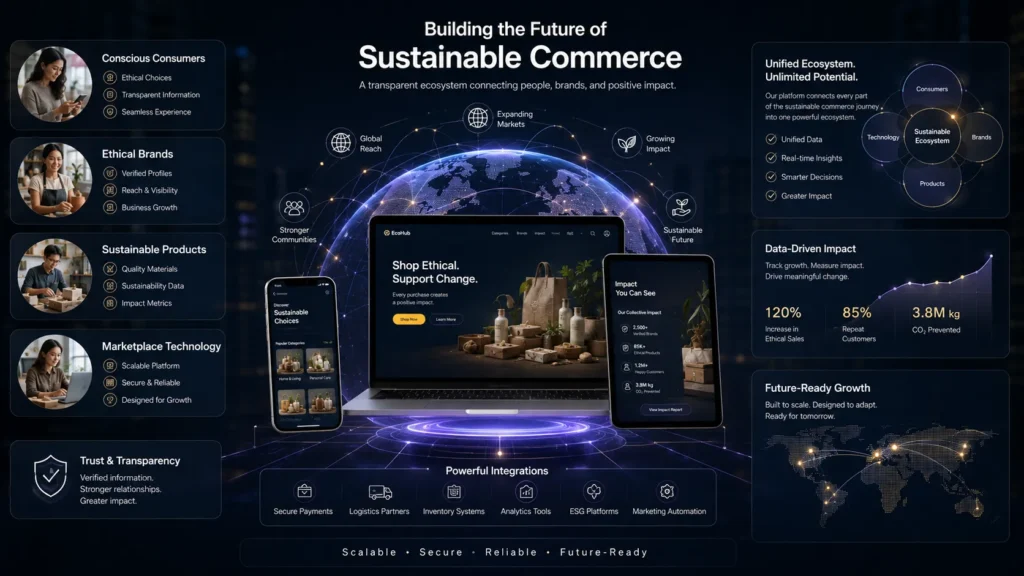
Building a scalable sustainable marketplace requires more than attractive interfaces.
Several technology considerations need to be addressed from the beginning.
1. Flexible Architecture
The platform should be structured so that new capabilities can be added without disrupting existing functionality.
2. Product and Brand Data Management
Sustainability-related information needs to remain organized, searchable, and understandable.
3. User Experience
The platform should make sustainable product information easy to discover without making the shopping experience unnecessarily complicated. For organizations evaluating a custom browser-based commerce experience, web development can provide the foundation for responsive, scalable customer and business interfaces.
4. Mobile Accessibility
Consumers increasingly interact with digital commerce through smartphones. A responsive web experience or dedicated mobile application can therefore become an important part of the broader customer journey. Where the customer journey requires a dedicated mobile experience, mobile app development can extend the platform beyond the browser and support a more focused user experience.
How XDT Can Support Scalable Digital Platforms
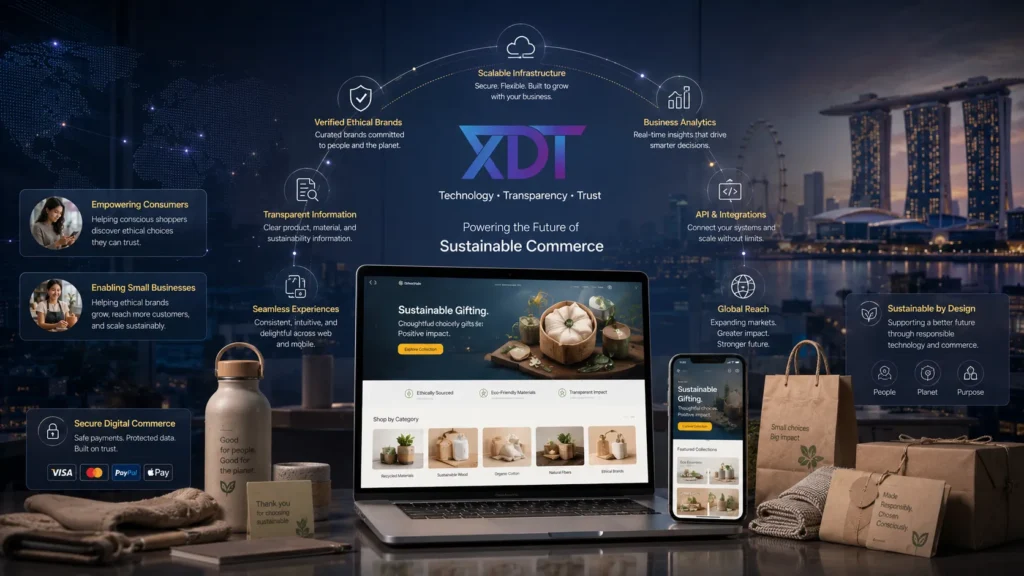
Xchange Data Technologies (XDT) works across software development and digital technology services, supporting businesses that need custom technology solutions rather than one-size-fits-all systems.
For an e-commerce transformation initiative, this type of engagement can involve understanding the business model first and then translating those requirements into a suitable digital platform.
XDT combines software development, business automation, engineering expertise, and digital technology capabilities to support organizations pursuing practical digital transformation.
Businesses can explore XDT’s broader IT services to understand how different software capabilities can be combined into a connected technology strategy.
Depending on the project, the technology foundation may involve:
- Custom web application development
- Mobile application development
- Business application development
- API and system integration
- Platform modernization
- Quality assurance and testing
- Technical architecture
- Scalable application development
XDT’s broader software capabilities include web, mobile, desktop, and business automation solutions, allowing organizations to approach digital transformation through a connected technology strategy.
For organizations that need an extended technology team to support long-term product development, QA, maintenance, and scaling, XDT also offers an Offshore Development Center model.
For businesses evaluating a similar initiative, the important question is not simply:
“How do we build an e-commerce website?”
The better question is:
“How do we build a digital commerce platform that can support our customers, business model, ecosystem, and future growth?”
That shift in thinking can significantly influence the technology decisions made at the beginning of the project.
Conclusion
Transforming e-commerce is no longer only about moving products from a physical store to a digital storefront.
For sustainable and ethical commerce, the challenge is broader. Our team developed a scalable and transparent e-commerce solution that bridges the gap between conscious consumers and verified sustainable brands—enhancing trust, traceability, and reach.
The platform must connect consumers with credible brands, present meaningful product information, support smaller businesses, and provide an architecture capable of growing with the marketplace.
That was the central idea behind this Singapore-based gifting platform transformation: creating a scalable and transparent e-commerce platform that connects consumers with verified ethical brands while helping those businesses reach a wider market.
For companies considering a similar digital transformation, the opportunity is clear: technology can become more than an operational tool. It can become the foundation for a more transparent, scalable, and customer-focused commerce ecosystem.
Ready to Build a Scalable Digital Platform?
If your organization is planning a custom e-commerce platform, marketplace, business automation solution, or digital transformation initiative, XDT can help translate your business requirements into a practical technology strategy.
Planning to build a scalable digital commerce platform? Connect with XDT to discuss your requirements and explore the right technology approach for your business.